
The Science Behind Wellness Architecture
Wellness architecture is grounded in evidence-based design principles that engage human wellness as a primary concern. Evidence and studies have shown that natural light, air quality, acoustics and space organization influence mood, productivity and physiological health. Spaces can serve as sanctuaries for wellness, relaxation, creativity and overall wellness by incorporating those principles into architectural design.
Key Elements of Wellness Architecture
1. Natural Light and Circadian Rhythms
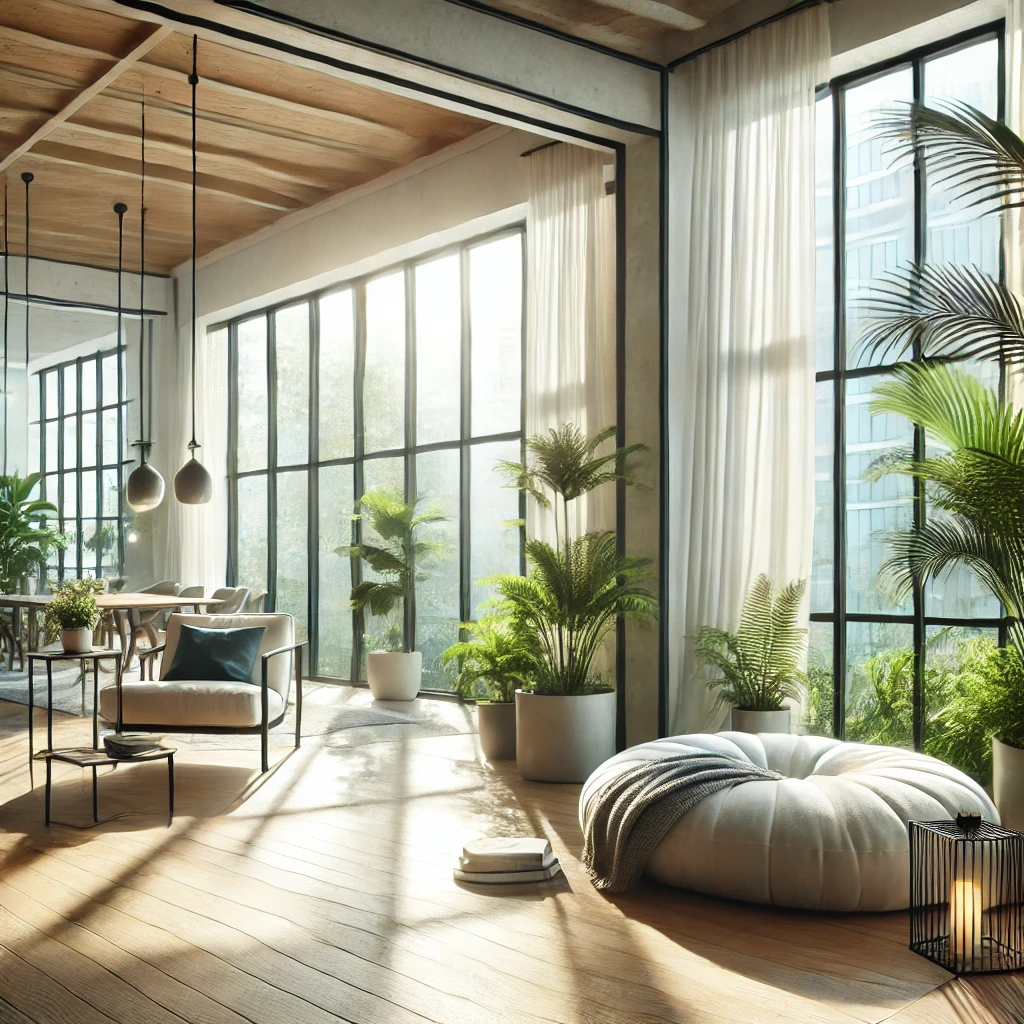
Lighting is crucial for wellness architecture. Natural light regulates our circadian rhythm that controls sleep and health. Large windows, skylights and reflective surfaces can help architects maximize natural light. Smart lighting systems that adjust with the time of day can also improve light and indoor environment.
2. Biophilic Design: Bringing Nature Indoors
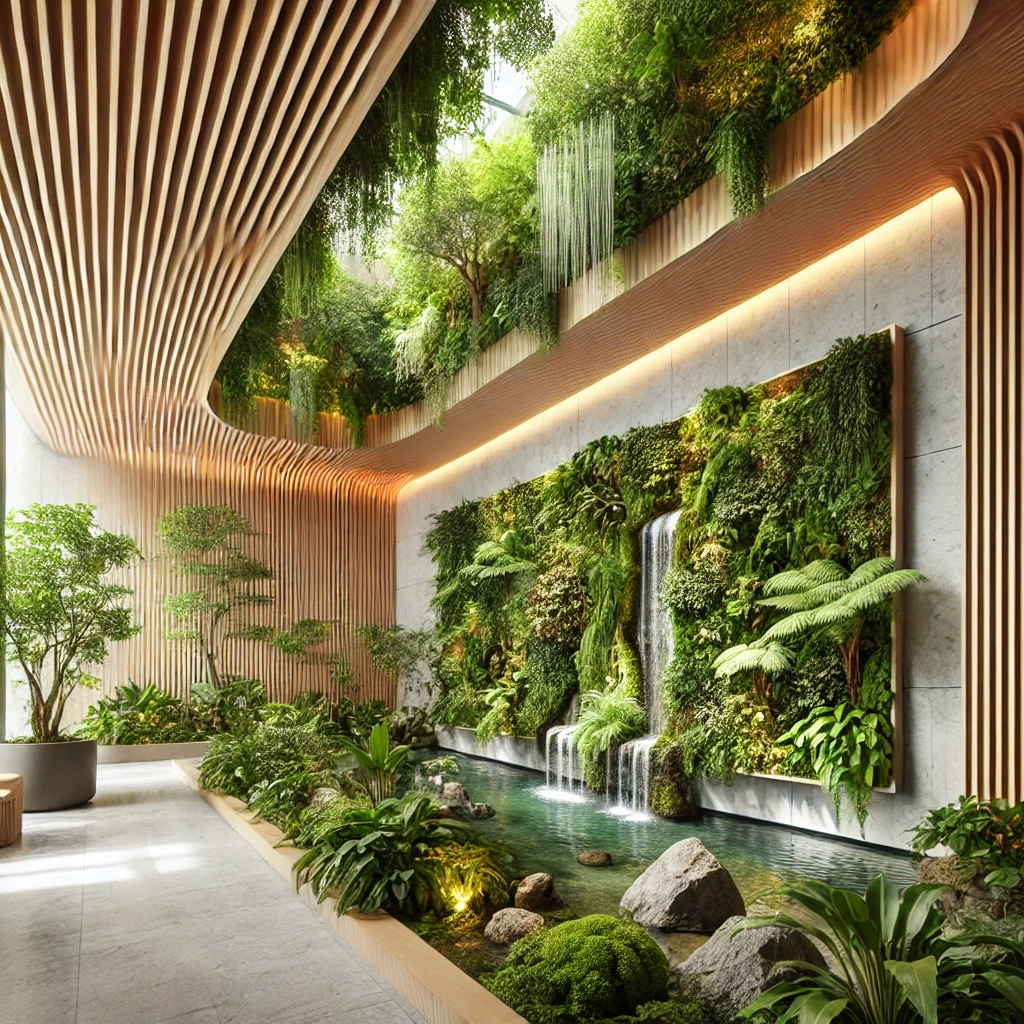
Biophilic design brings nature into architecture in different forms whether through the use of plants, water features or organic materials. One of the research findings on the benefits of exposure to plants and water is that it helps reduce stress, improve cognition and enhance the quality of the air we breathe. For example, vertical gardens, indoor plant walls along with using wood and stone materials facilitate a relationship between the occupied space and the natural landscape, generating a sense of calm and well-being.
3. Optimal Layout and Spatial Planning
The design of environment impacts how individuals interact with it and what feelings that environment elicits from those in it. Spaces that are open plan, allowing for movement without barriers; spaces that are designated quiet zones to convey messages of relaxation; and social spaces to allow for interaction, all contribute to a more healthy environment for learning and working. Homes and workplaces that are based on ergonomic design principles, make sure all spaces are conducive to comfort and functionality.
4. Air Quality and Ventilation
Inadequate indoor air quality can cause respiratory problems, lethargy and reduced productivity. Improving air quality can be achieved by ensuring building systems have adequate ventilation, using non-toxic construction materials and interior plants that act as air-purifiers. HEPA filters operate with a mechanical ventilation system to bring in fresh air and reduce indoor pollutants causing allergies.
5. Acoustics and Sound scaping
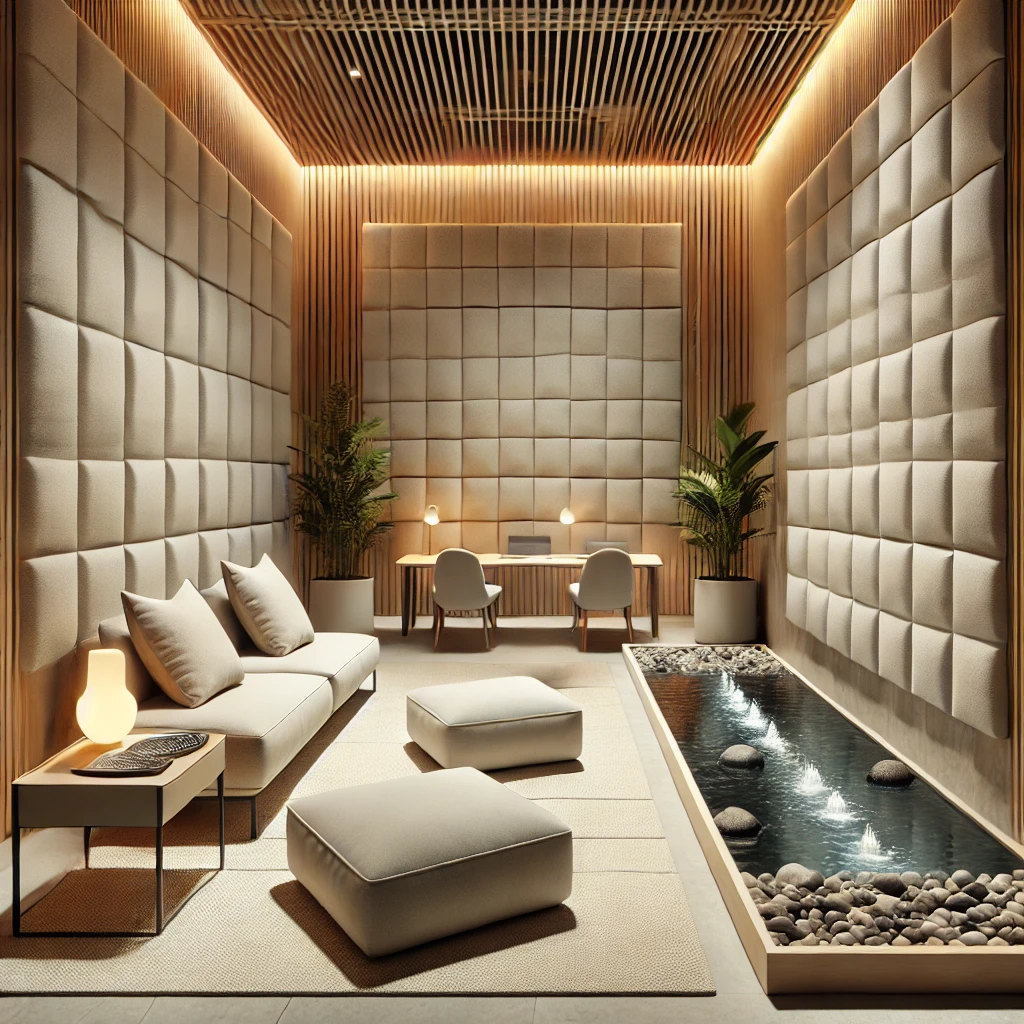
Excessive or intrusive sound can have a negative effect on mental health and can lead to increased stress and reduced focus. Architects can help to curb unwanted noise by utilizing sound absorbing material in their design, placing rooms and spaces thoughtfully in relation to neighbors and noise sources and incorporating white-noise or calming water features to foster a soft acoustical environment.
6. Sustainable and Non-Toxic Materials
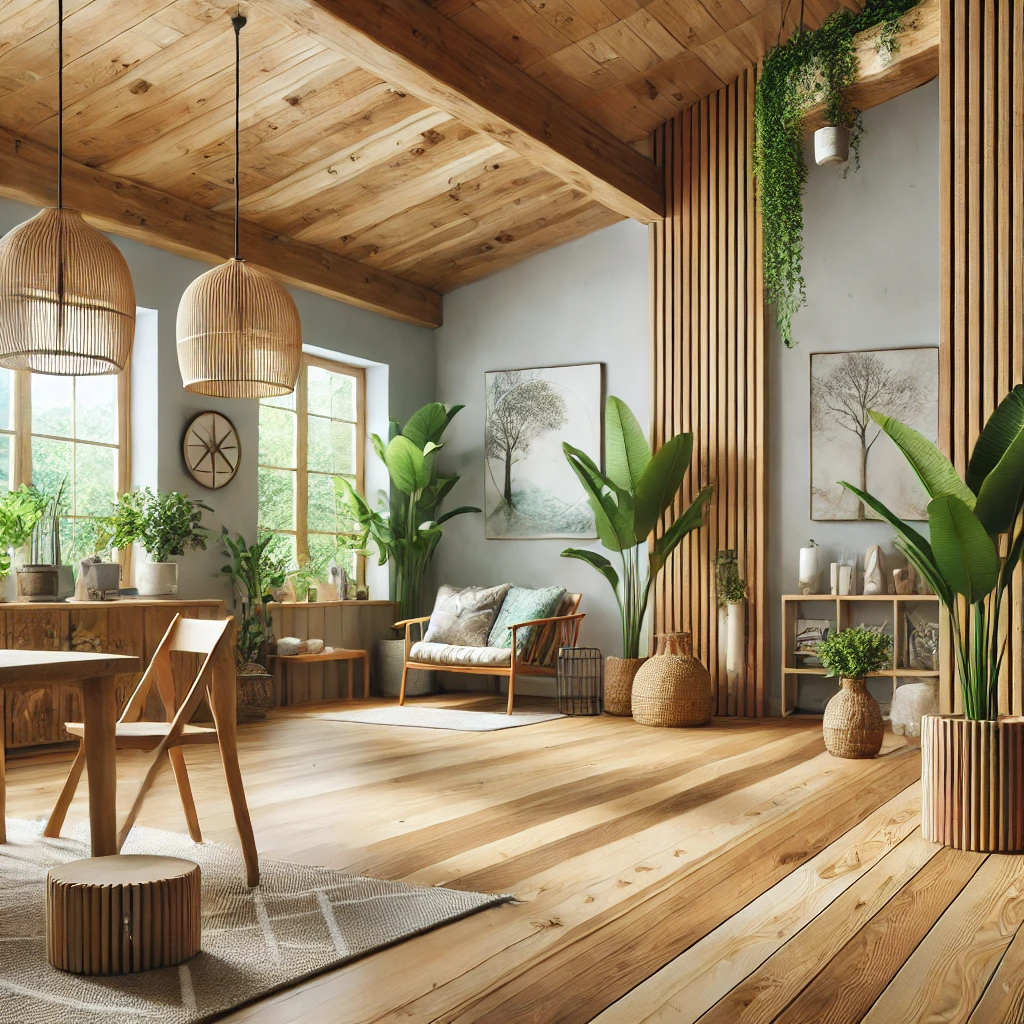
States of Health is one of the topic that focuses on spaces that promote occupant health through material use. Many conventional building materials emit harmful Volatile Organic Compounds (VOCs), leading to health issues like headaches, respiratory challenges and more. Wellness architecture focuses on the use of materials that are sustainable and non-toxic, such as reclaimed wood, low-VOC materials and bamboo, to maintain a healthy indoor space.
Applying Wellness Architecture to Different Spaces
Residential Spaces
Wellness homes use natural light, ventilation and biophilic design to create an atmosphere from where you can relax and recharge. In addition, features such as meditation rooms, work-from-home stations set up ergonomically and air-purifying plants all contribute to wellbeing.
Commercial and Office Spaces
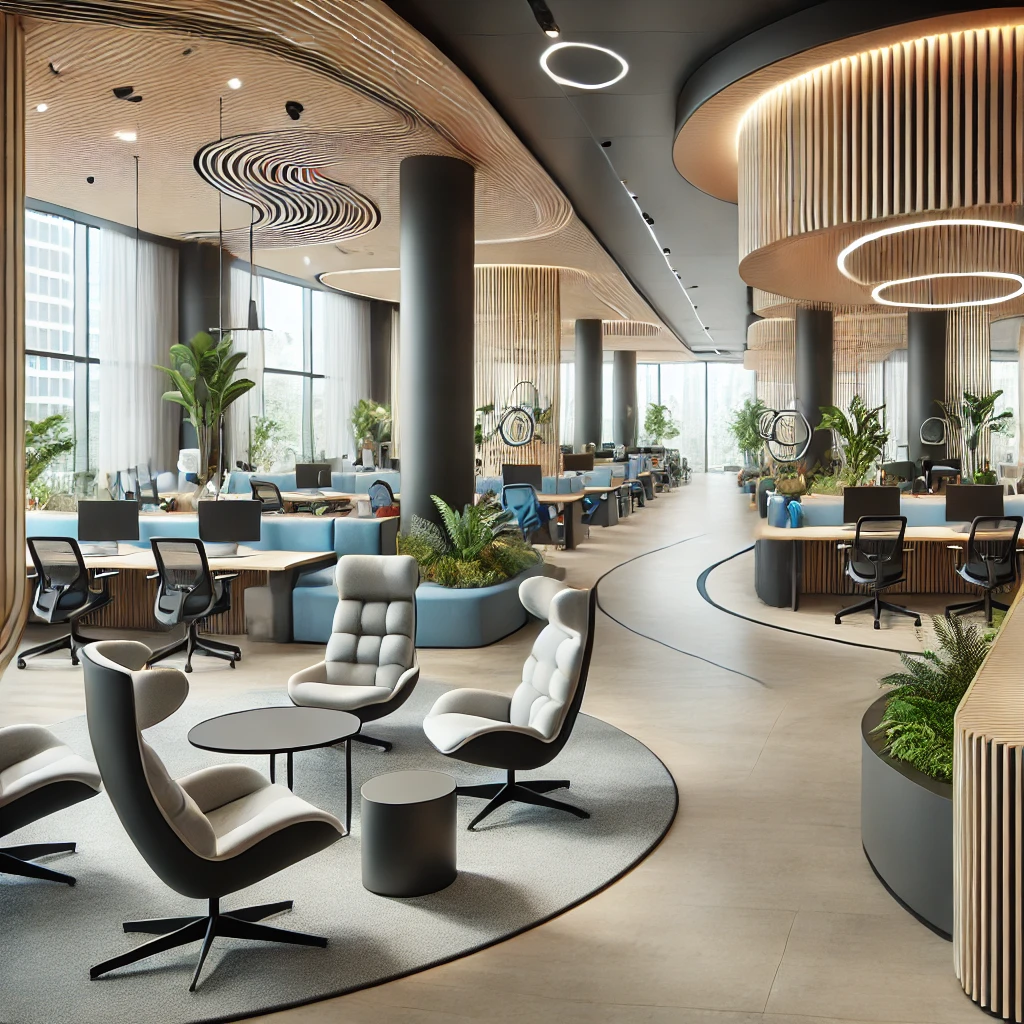
Employee productivity and overall well-being are closely related to workplace design. Open spaces with access to natural light, ergonomic furniture, communal or interactive environments and breakout areas for resting are all very useful for creating a healthy work environment. When employers invest in occupational wellness-focused architecture, they will often experience increased employee morale and less absenteeism.
Healthcare and Hospitality Design
In wellness centers, the wellness design offers healing environments through the provision of comforting, contemplative designs with soothing colors, access to nature, and layouts that prioritize the patient experience. Additionally, wellness resorts and hotels provide spa-like experiences, mindfulness and meditation spaces and eco-friendly materials that enhance the guest experience.
Conclusion: Designing for a Healthier Future
With the increasing recognition of the importance of mental and physical well-being, the demand for wellness architecture is continuing to grow. Wellness architecture is present in homes, workplaces and public spaces; ultimately, intentional architectural decisions can change people's lives by providing healthier, happier spaces. Architects can design spaces that support the mind and body by incorporating natural light, biophilic design, sustainable materials with efficient and effective layout.
For more insights into wellness architecture and how it can elevate your space, contact us for a consultation!
Shambhavi Vardhan, Principal Architect, Tapsham Architects