
When people imagine a beautiful home, they often think of materials — marble floors, wooden panels, designer furniture.
But long before you notice any of that, something else shapes how a home feels.
Light.
In this third volume of The Stillness Project, we explore light in the most practical way — not as a technical subject but as something you live with every day.
Because homes that feel calm, warm and quietly luxurious almost always get one thing right:
how light enters, moves and settles inside the space.
Before you register colors or furniture, you feel the light.
A room can be expensive, well-furnished and still feel uncomfortable — simply because the light is wrong.
Good light feels natural.
It doesn’t strain your eyes.
It doesn’t create harsh contrast.
It makes you feel at ease without asking for attention.
In well-designed luxury homes, light is not accidental.
It is planned with the same care as structure and layout.
A window decides how a room behaves throughout the day.
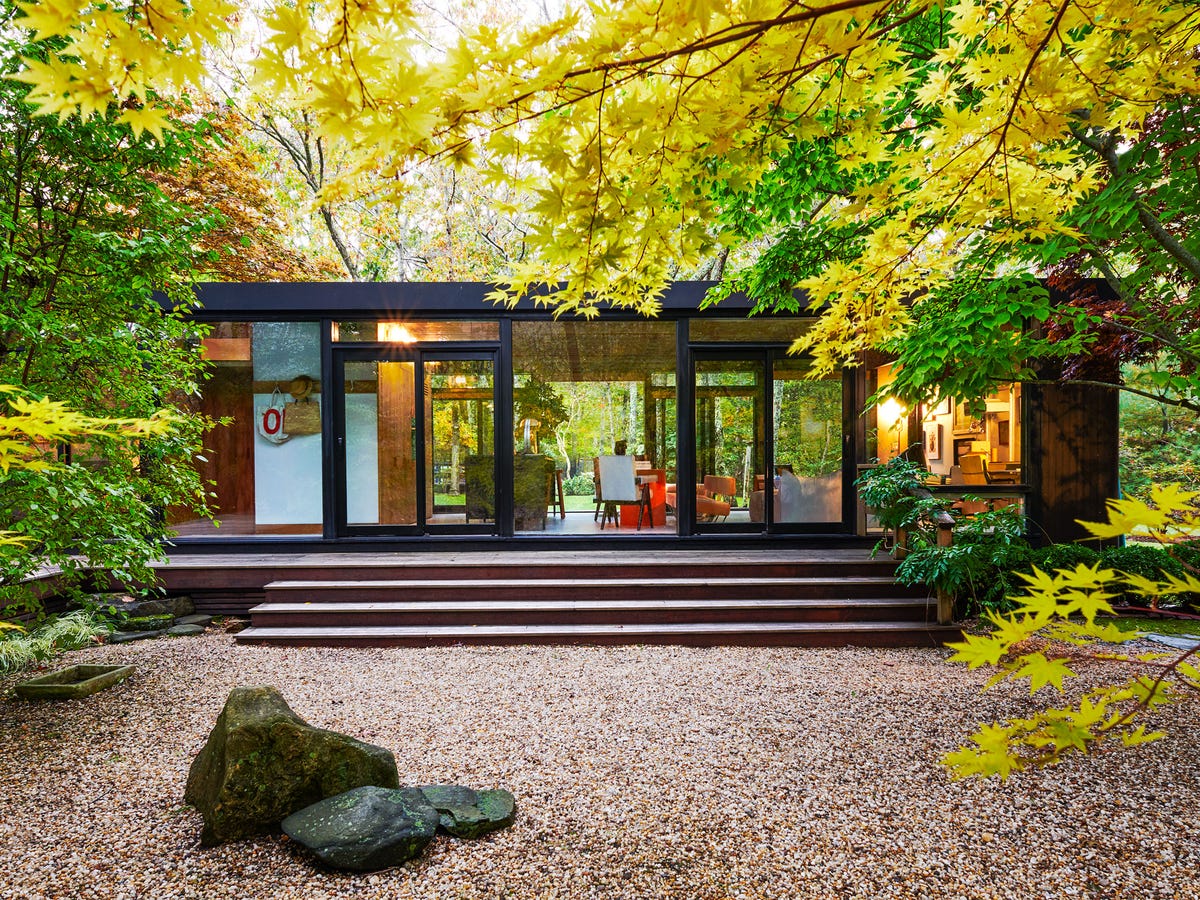
Thoughtful architecture places windows not just for views, but for balance — controlling glare, directing daylight and shaping mood.
When this is done well, the home starts working with your daily rhythm instead of against it.
This is where stillness begins — at the planning stage itself.
Architecture allows light to enter. Interior design decides how that light feels.
Harsh lighting can make even large homes feel tiring. Soft, layered lighting can make modest spaces feel generous.
In calm, high-end interiors, lighting is treated gently:
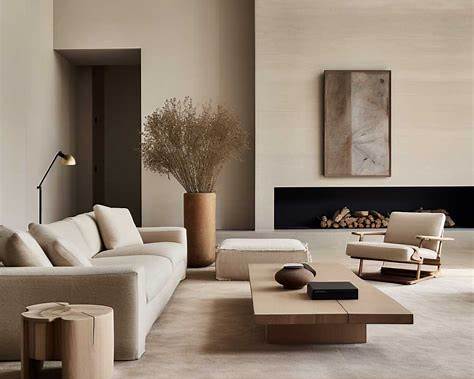
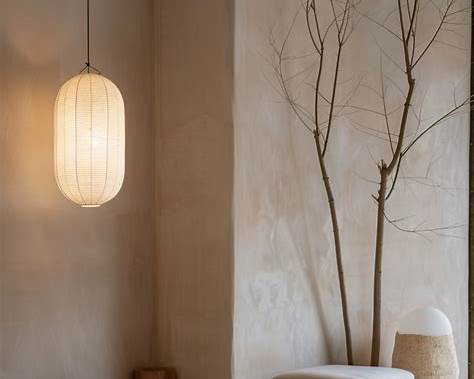
The aim is simple —
light should support daily living, not dominate it.
Light is never constant.
Morning light feels energising.
Afternoon light feels active.
Evening light feels protective.
Homes designed with stillness in mind allow these shifts to happen naturally.
They don’t fight light with excessive artificial brightness.
They guide it.
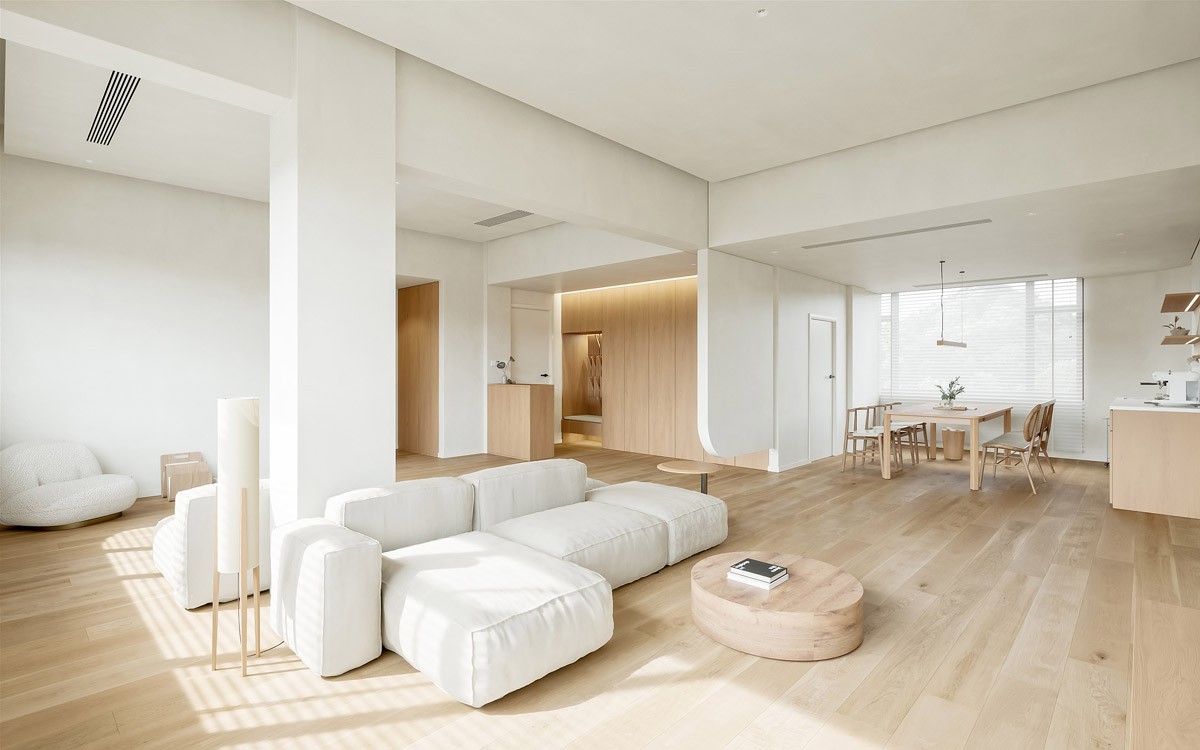
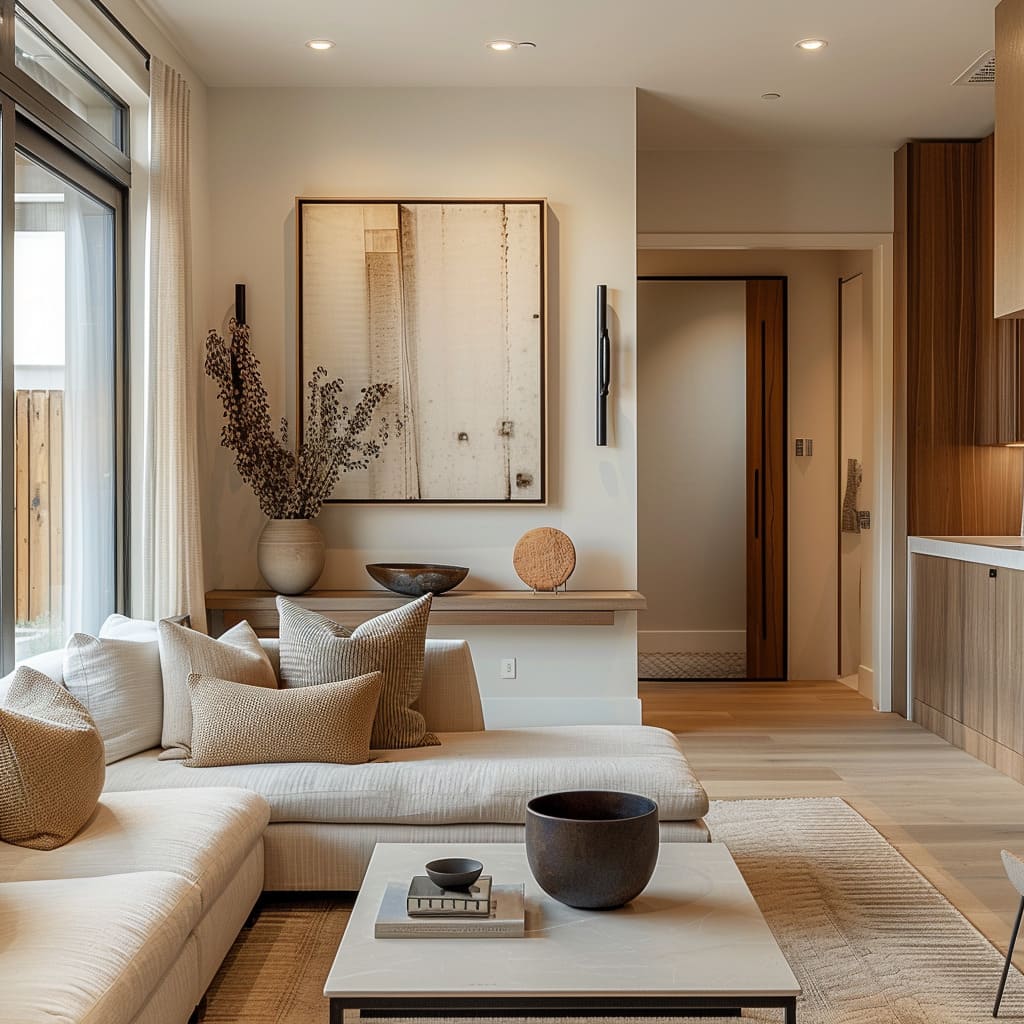
This is why some homes feel peaceful from morning to night — and others feel restless, no matter how expensive they are.
Luxury is not about brightness. It is about balance.
One of the most common mistakes we see is over-lighting.
Too many fixtures.
Too much intensity.
Too little thought.
Artificial light should quietly take over when daylight fades. It should never overpower the space.
In refined homes, lighting is layered:
This approach keeps spaces calm, functional and visually light.
The same material behaves differently under different light.
Stone feels softer in warm daylight.
Wood feels richer in evening light.
Matte finishes feel calmer when light is diffused.

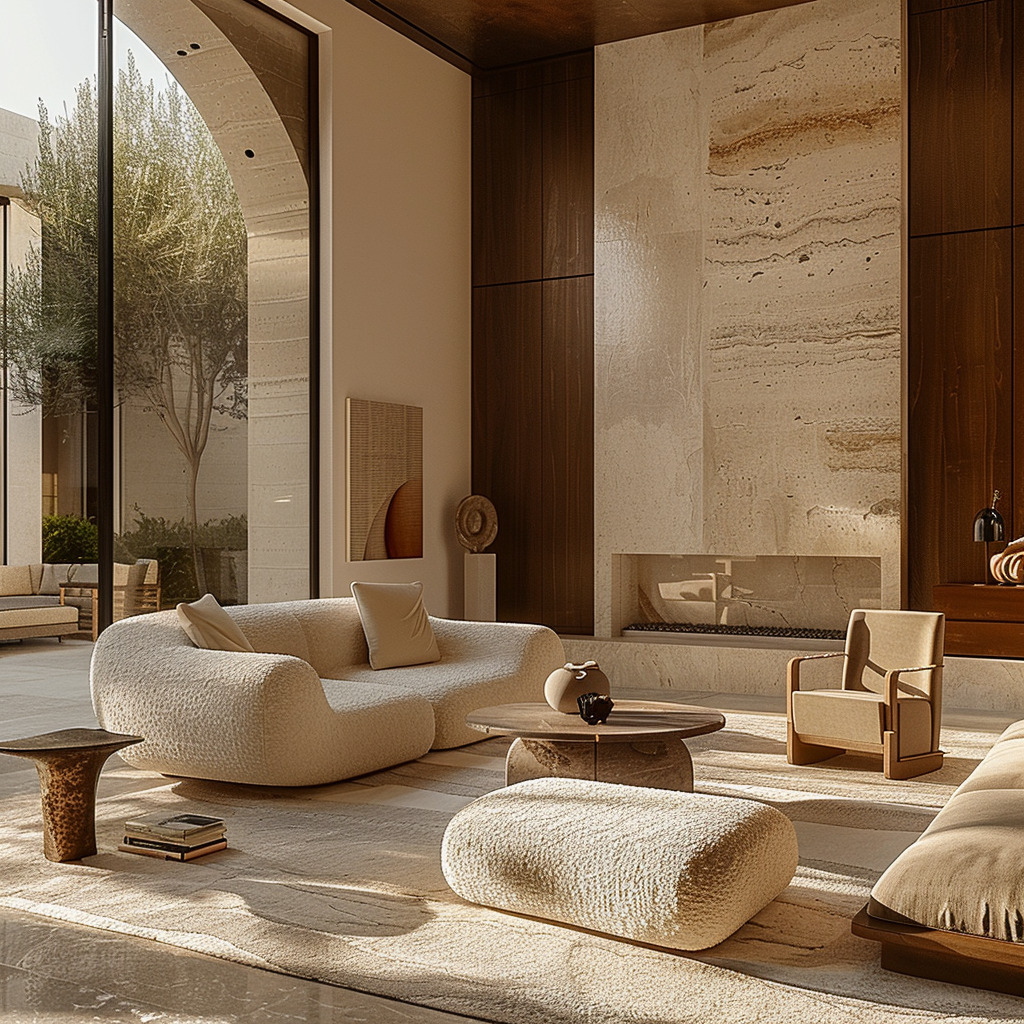
This is why we never select materials in isolation.
We always consider how they will look:
When light and material work together, a home feels effortless.
Today’s discerning homeowners are not chasing trends. They want homes that feel good to live in — every day.
Designing with light first helps create:
This is quiet luxury — subtle, lasting and deeply human.
At Tapsham Studio, we believe light is not a finishing touch. It is the foundation of calm living.
When architecture welcomes light thoughtfully and interiors shape it gently, a home begins to breathe on its own.
Because the most beautiful homes don’t shout. They glow — softly.
Design a home that breathes. Begin your journey with Tapsham Studio.
Shambhavi Vardhan, Principal Architect, Tapsham Architects